
Can Chronic Toddler Teeth Grinding and Mouth Breathing Indicate an Underlying Airway Obstruction?
As parents, we always want the best for our little ones, especially when it comes to their health and well-being. But what happens when you notice unusual patterns like frequent teeth grinding or mouth breathing in your toddler?
While they might seem harmless at first glance, these behaviors could be subtle signs of an underlying airway obstruction, affecting not only your child’s oral health but their overall growth and development.
At Sensory Smiles Children's Dentistry in Rancho Cucamonga, we believe in getting to the root of these concerns by offering compassionate, patient-centered care. Let’s explore how airway issues can impact your toddler and why addressing them early is so important.
Understanding Toddler Teeth Grinding and Mouth Breathing
What is Teeth Grinding (Bruxism)?
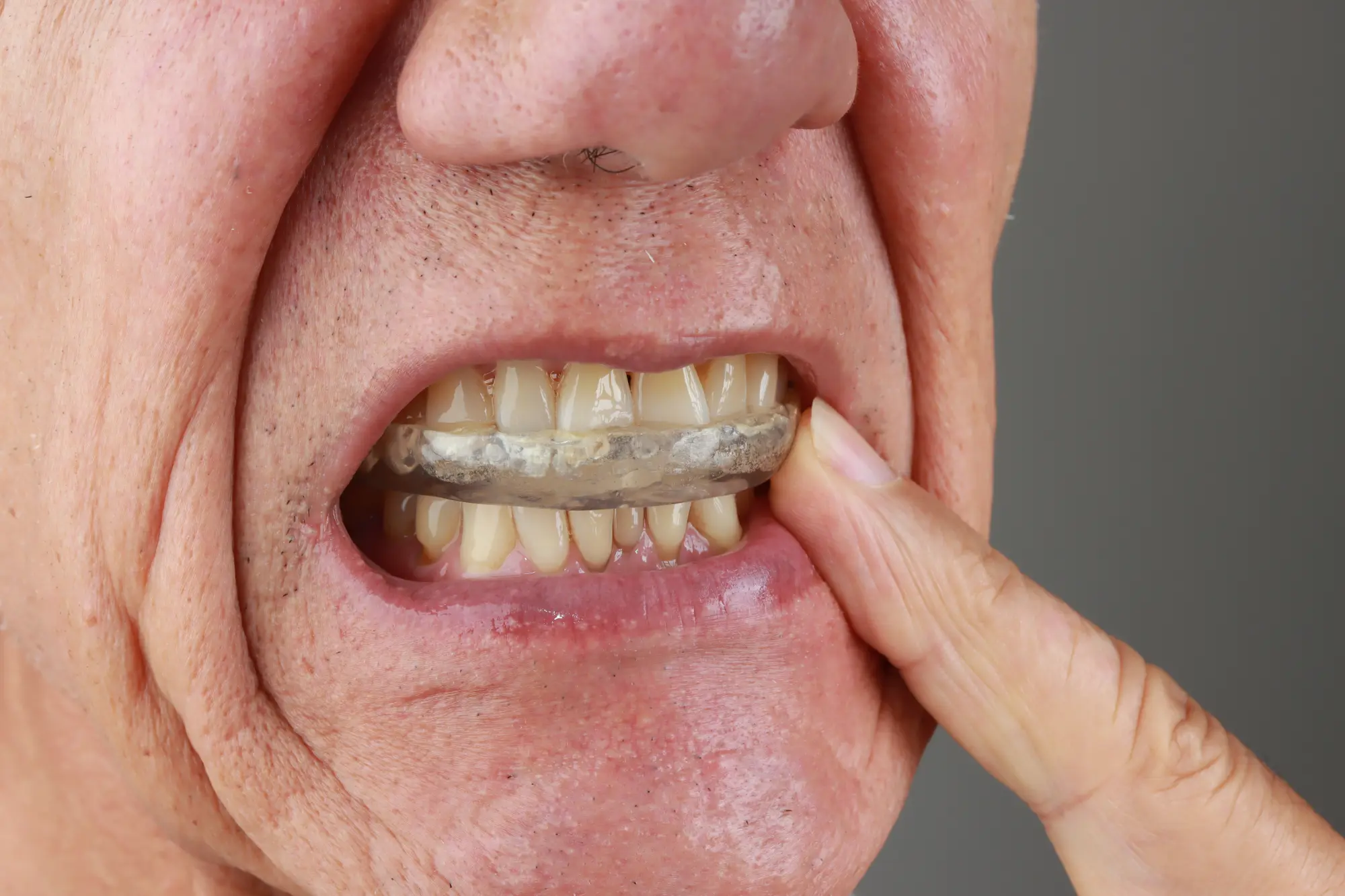
Teeth grinding, or bruxism, is the repetitive clenching or grinding of teeth, commonly during sleep. While occasional grinding is normal for many toddlers, chronic or severe cases warrant closer attention. Bruxism can wear down baby teeth prematurely, cause jaw discomfort, and even interfere with proper facial development if left unchecked.
Why Mouth Breathing Matters
Similarly, mouth breathing, when your child primarily breathes through their mouth instead of their nose, might seem harmless but can disrupt essential functions. Nasal breathing filters, warms, and humidifies the air we breathe, supporting proper jaw and upper airway development. Persistently breathing through the mouth can lead to structural changes in the mouth and face, an increased risk of dental decay, and even poor-quality sleep.
Could Airway Obstruction Be the Cause?
Chronic teeth grinding and mouth breathing aren’t always isolated behaviors. In fact, they're often symptoms of an underlying issue with your child’s airway. Conditions like enlarged tonsils or adenoids, tongue-ties restricting airflow, or sleep-disordered breathing (sleep apnea) may disrupt their ability to breathe easily and comfortably. These impairments not only impact their oral health but also their cognitive development, behavior, and overall well-being.
Why Early Detection Matters
If left unnoticed, airway obstructions during childhood can trigger a cascade of complications:
- Interrupted sleep leading to daytime fatigue, mood swings, or inattention
- Delayed or impaired oral and facial development, resulting in crowded teeth or incorrect bite alignment
- Increased risk of chronic health concerns like obesity, heart strain, or developmental delays
Identifying and treating the root cause of teeth grinding or mouth breathing early can significantly benefit your toddler’s long-term health, setting the stage for confident smiles and restful nights ahead.
An Integrative Approach To Airway Health
Our team, led by Dr. El-Sherbini, takes a holistic view of your child’s oral and overall health. We don’t just treat symptoms on their own. Instead, we look for underlying patterns like tongue-ties, sleep-disordered breathing, or improper oral development that might contribute to grinding or mouth breathing. This integrative approach ensures your child receives care that's tailored to their unique needs.
Sensory-Inclusive Care for Calm and Comfortable Visits
We understand that every child is unique, especially when it comes to sensory sensitivities or anxiety. That’s why Sensory Smiles Children's Dentistry is proud to be Rancho Cucamonga’s only Sensodyne x KultureCity Sensory Inclusive Certified pediatric dental practice. Through our purpose-built Sensory Smiles Program, we create a customized, calming environment that includes:
- Desensitization visits in a sensory-friendly room
- Quiet spaces, sensory kits, and noise-reducing headphones
- Pre-visit social stories to help children feel prepared and confident
Advanced Screening and Technology
Our practice uses advanced technology, including LightScalpel CO2 laser therapy for minimally invasive tongue-tie releases and painless injection techniques to support optimal comfort.
From airway screenings to collaborative care with ENTs, sleep specialists, and myofunctional therapists, we are committed to addressing airway issues early to support your toddler’s overall growth and development.
How to Spot Airway Obstruction Signs at Home
While regular dental checkups are a must, parents often spot early warning signs of airway issues first. Here are some signals to look for in your toddler:
- Frequent snoring or noisy breathing during sleep
- Restless sleep or waking up feeling tired
- Mouth breathing, even when not congested
- Unexplained teeth grinding at night
- Daytime fatigue, irritability, or trouble focusing
If any of these symptoms sound familiar, it could be time to schedule an evaluation with Sensory Smiles Children's Dentistry. Our compassionate team is here to help your child breathe, sleep, and smile better.
Take the First Step Toward Your Toddler’s Wellness
Your toddler deserves a thriving, healthy start in life. By addressing symptoms like teeth grinding or mouth breathing early, you can protect their oral health and reduce risks of developmental concerns down the line. At Sensory Smiles Children's Dentistry, we’re here to guide you every step of the way.
We offer sensory-adaptive, evidence-based care to support your child’s comfort, confidence, and overall wellness. Ready to learn more? Call (909) 755-5111 today to schedule an appointment in our Rancho Cucamonga office. Let us partner with you to create a lifetime of happy, healthy smiles!
Recent Blog Posts
Can Chronic Toddler Teeth Grinding and Mouth Breathing Indicate an Underlying Airway Obstruction?
What Is the Use of a Space Maintainer on a Child?

Choosing the Right Pediatric Crown: White Zirconia vs. Stainless Steel

Schedule a visit today
Whether you're preparing for baby’s first checkup or looking for ongoing care in a safe and inclusive environment, we're here to welcome you. Let’s create beautiful, confident smiles together—one sensory-friendly step at a time.